

About GAPA and the Team
GAPA was started in Khayelitsha in October 2001 following the implementation phase of a research project funded by Bristol Myers Squibb undertaken by the Albertina and Walter Sisulu Institute of Ageing in Africa at the University of Cape Town.
An occupational therapist organised workshops and support groups for grandmothers who were affected by the HIV/AIDS pandemic. The intervention program was designed to meet the needs articulated by grandmothers who were part of the study. Grandmothers who participated in the pilot project felt that the information and support that they had received was too valuable to end with the completion of the pilot program.
Consequently, they formed a committee with the occupational therapist, Kathleen Brodrick, and made plans to spread the information and support to others.
Today all over South Africa there are grandmothers holding together families affected by HIV/AIDS and poverty. Often these women are the sole breadwinners in a household. They may also be nursing the dying and bringing up orphaned grandchildren on their own.
Research shows that these grandmothers suffer from a lack of information, stigmatization and overriding poverty.

Meet the GAPA Team

Our Staff Members
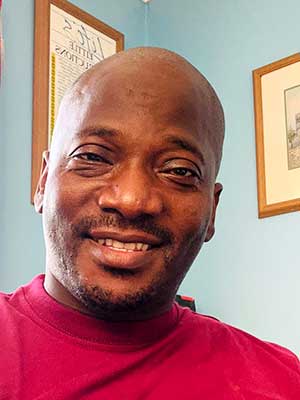
Mzwa Mzwamadoda Mondi
Manager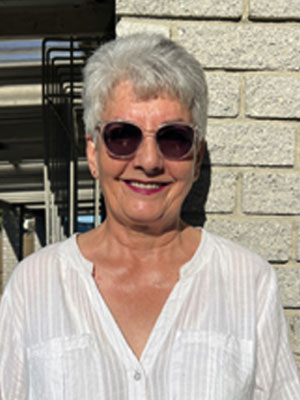
Cheryll Richter
Admin and Finance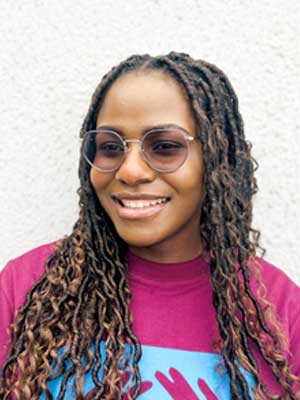
Vhuhwavho_Ramokhondo
Community Occupational Therapist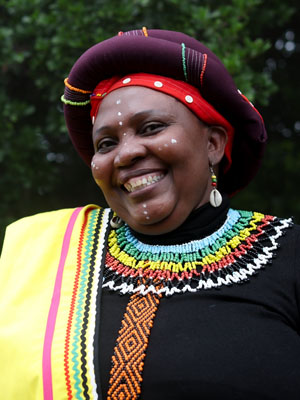
Florence Hlangadala
Income Generation Coordinator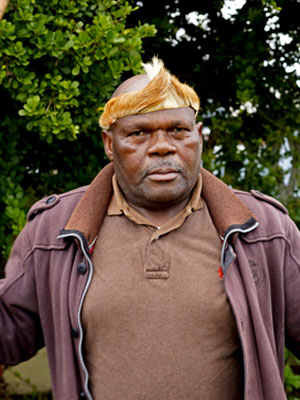
Gcinikhaya Feke
Groundskeeper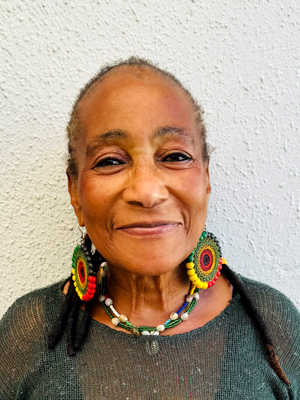
Zola Sam
Health Club Coordinator
Our Aftercare Team
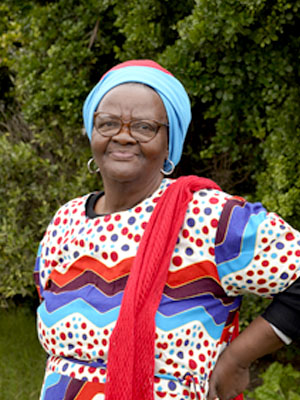
Ntombizodwa Femela
Aftercare Teacher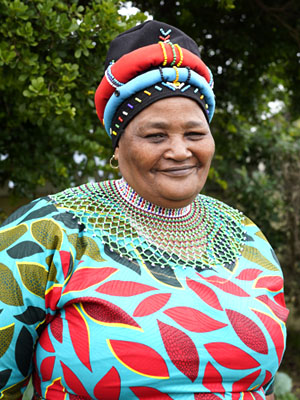
Nobakunjani Mabede
Aftercare Teacher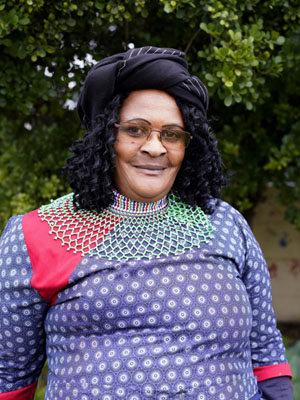
Noxolo Nongogo
Aftercare Teacher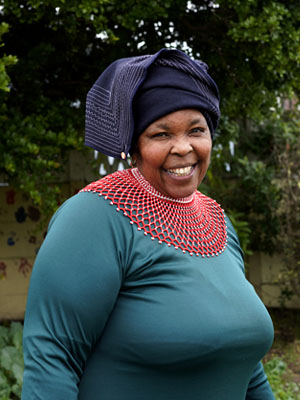
Thandi Ngushelo
Aftercare Teacher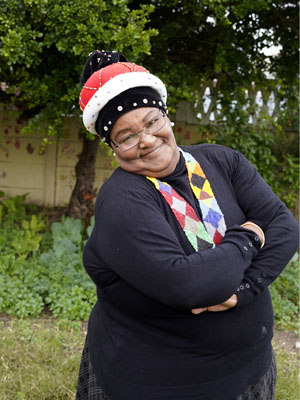
Nompumelelo Mwanda
Aftercare Teacher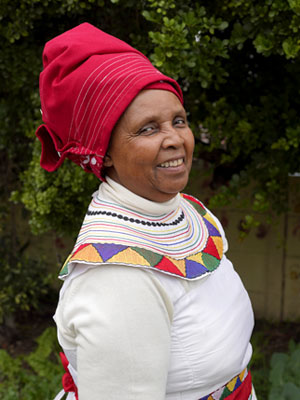
Nomfusi Memani
Aftercare Cook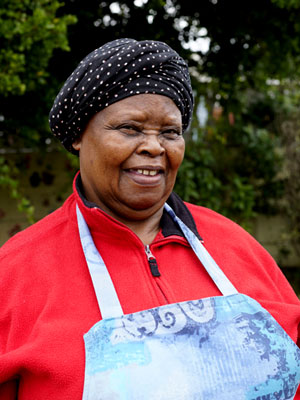
Nosibongiseni Tsusane
Aftercare Cook
GAPA Board Members
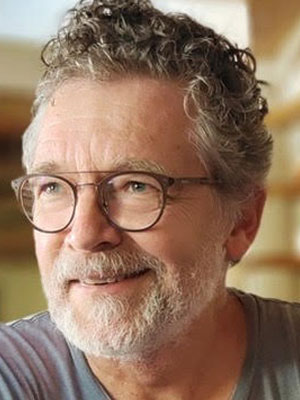
Dr Frank Kronenberg
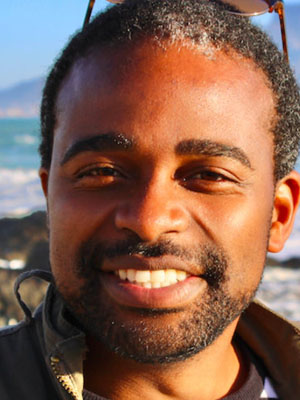
Sivuyisiwe Toto
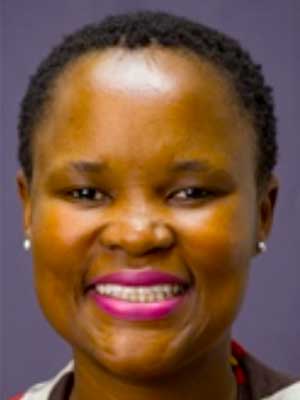
Dr Khosi Kubeka Khosi
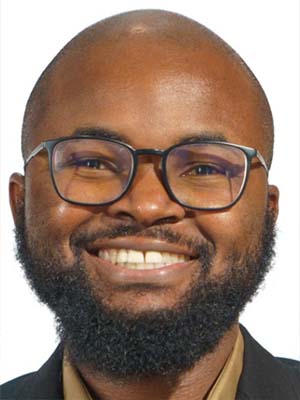
Siyabonga Buthelezi
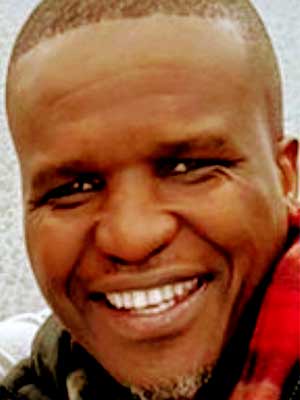
Tamsanqa Nicholas Matyida

GAPA Management Committee
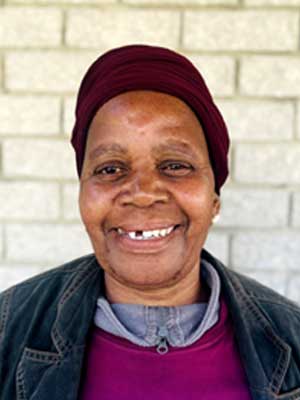
Lydia Tonisi
Chairperson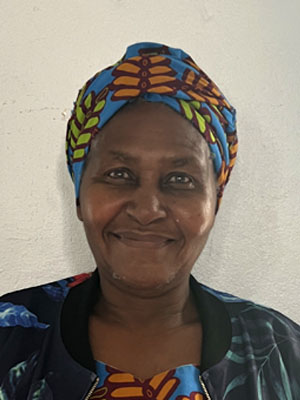
Eleanor Plaatjie
Secretary