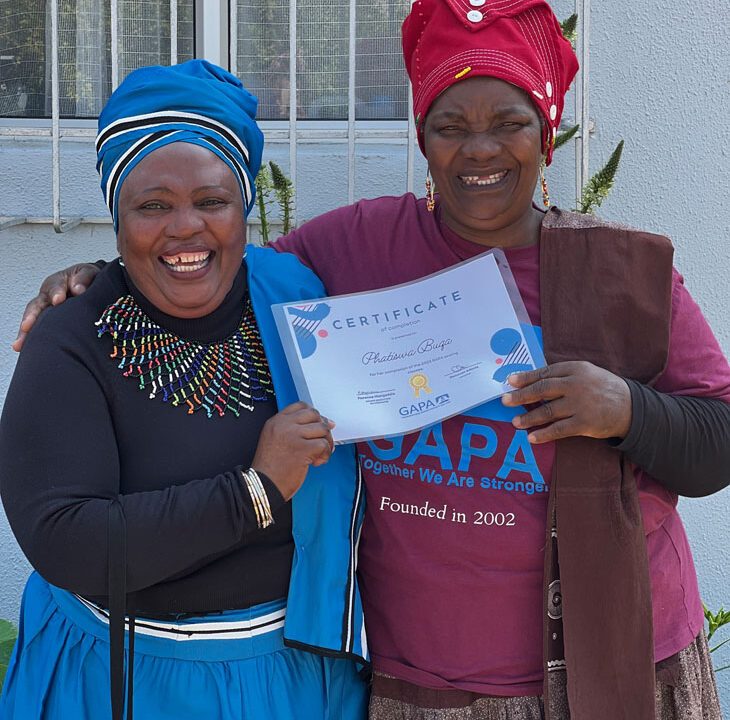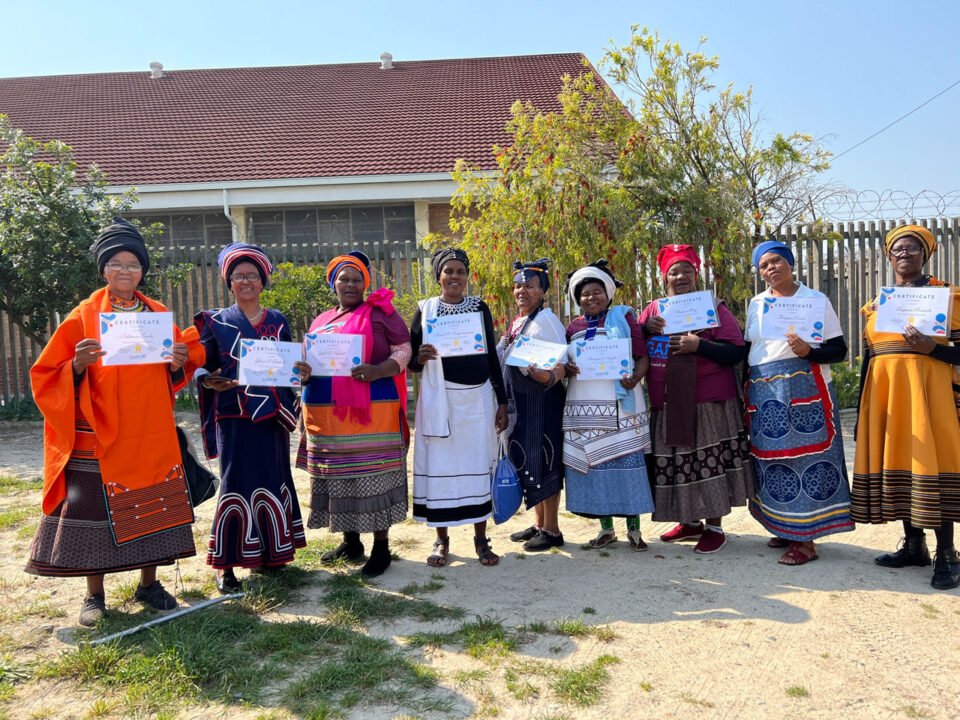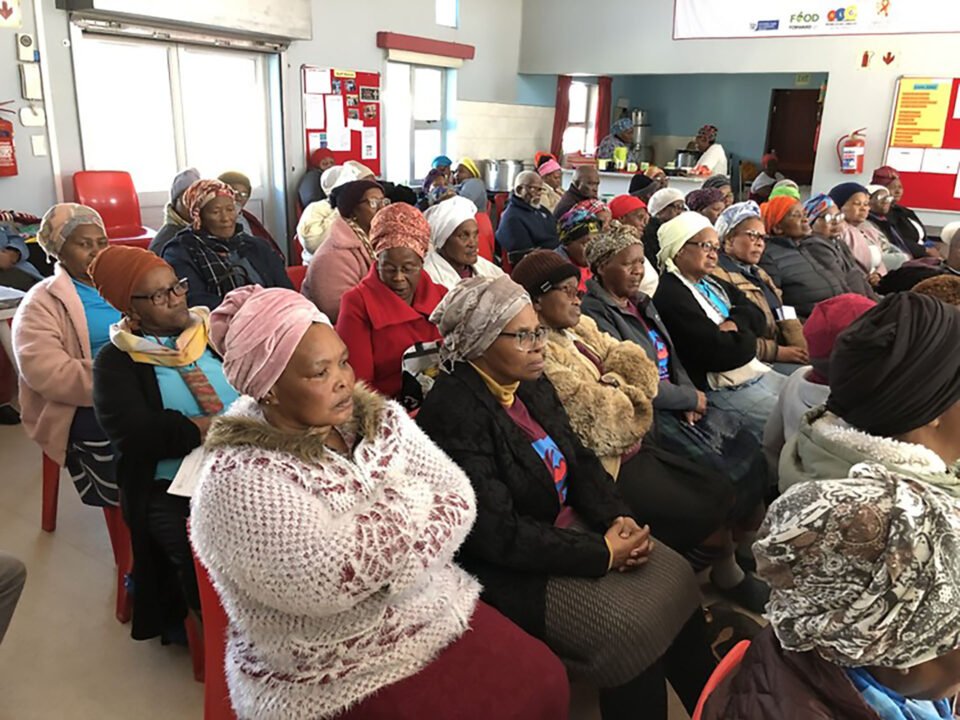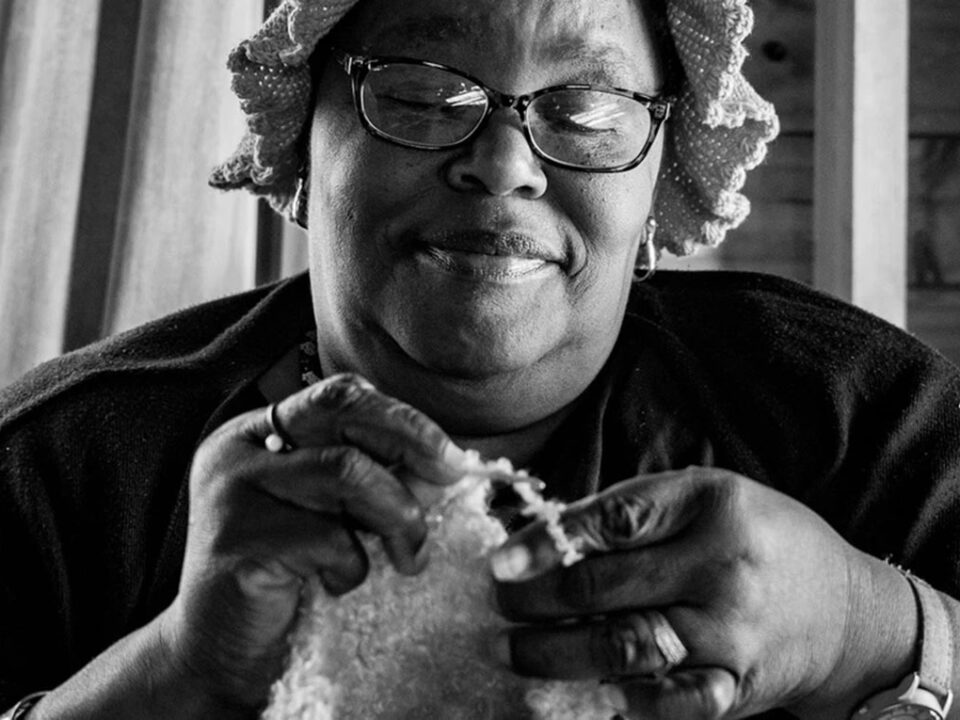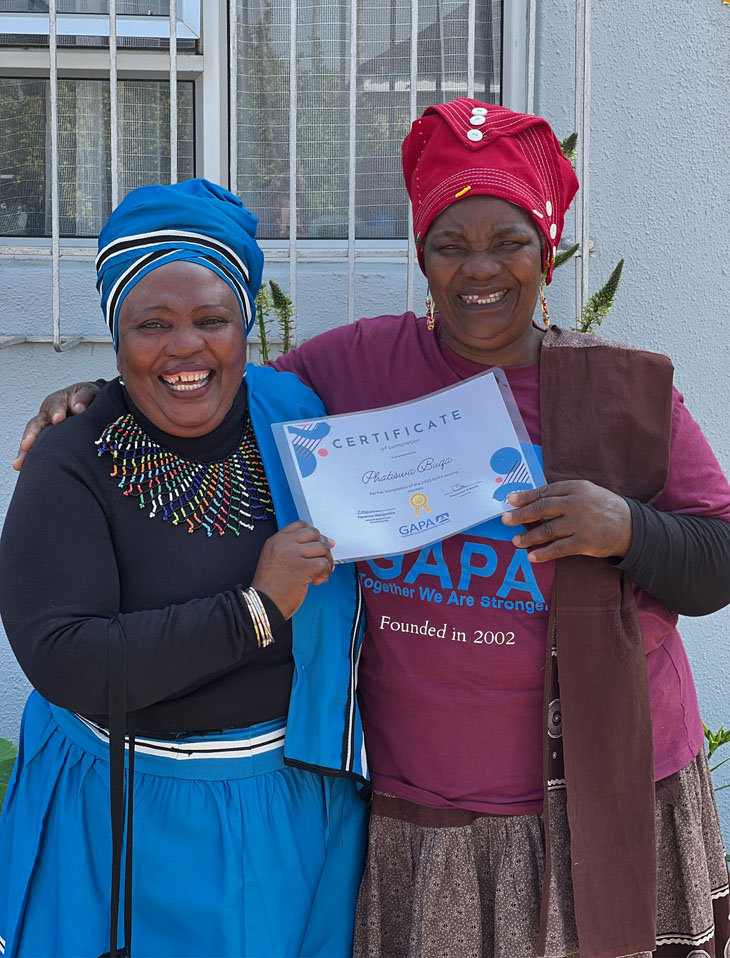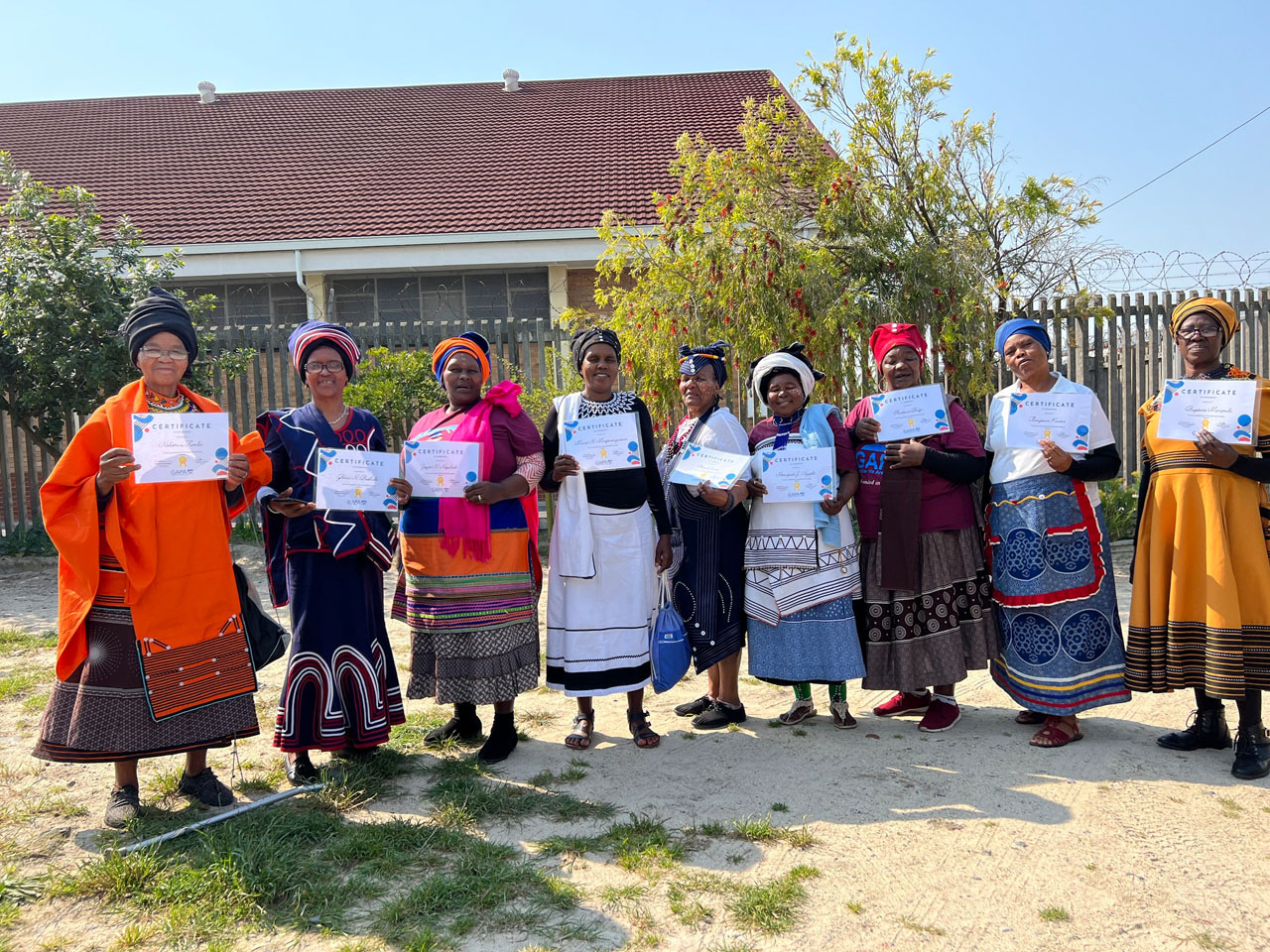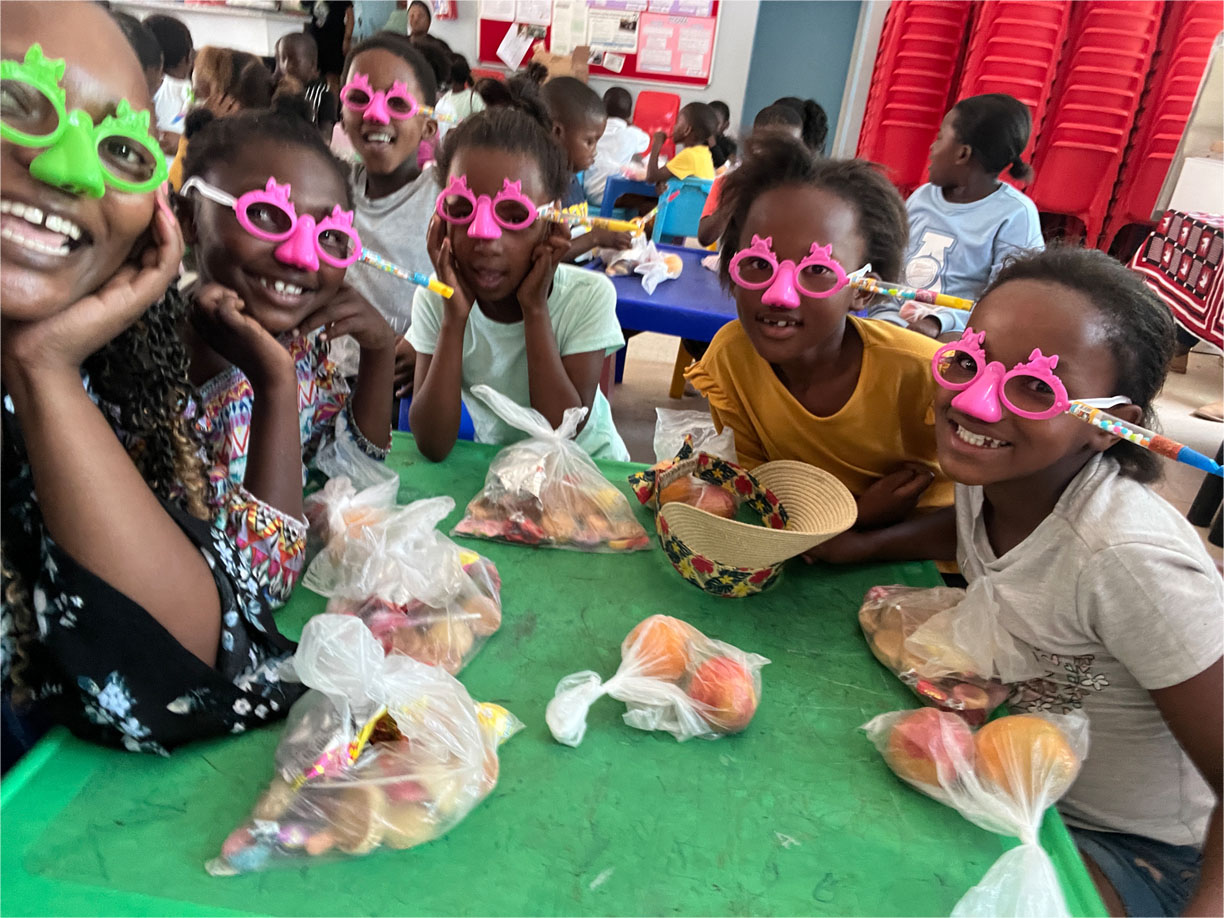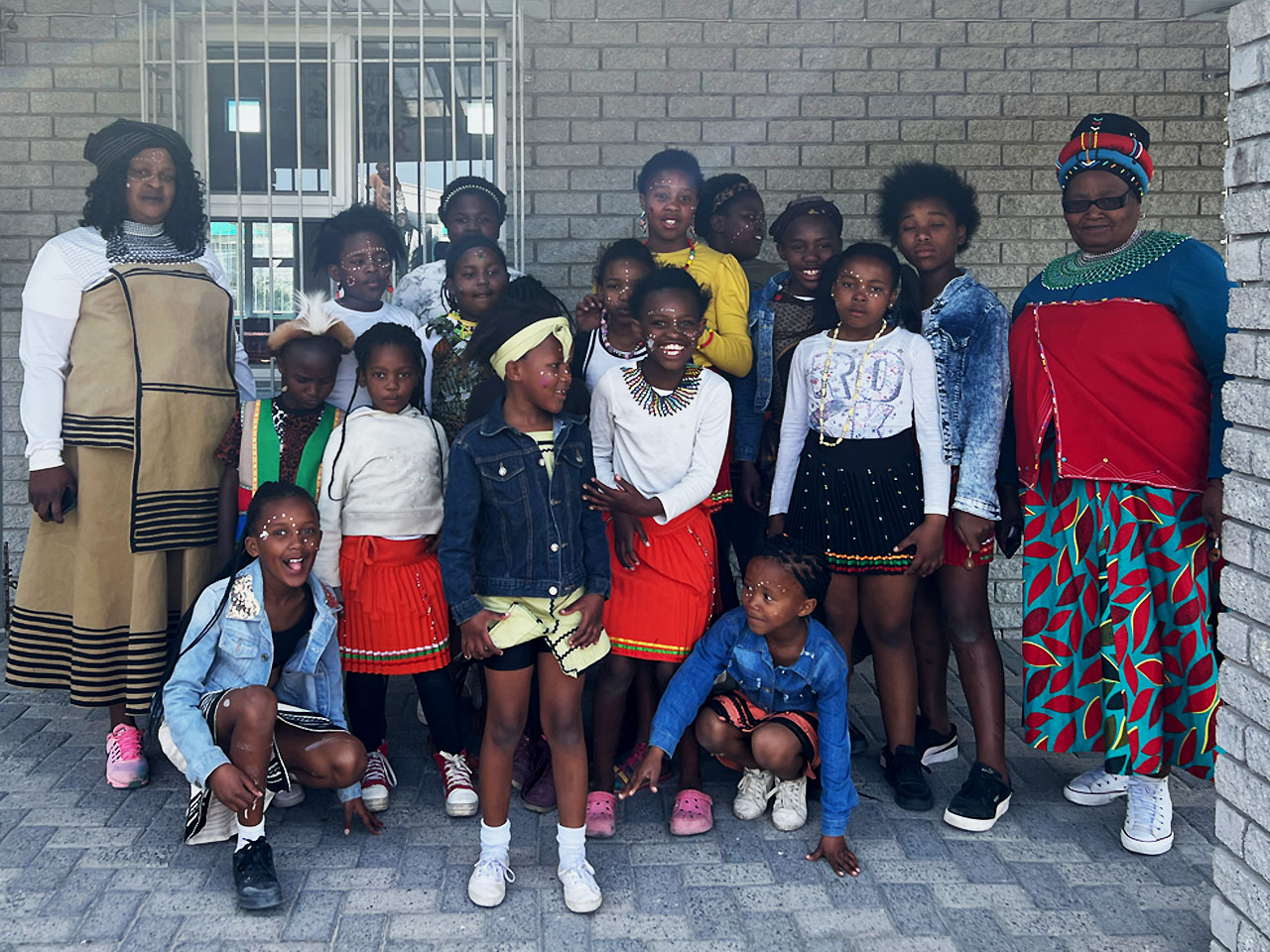


Daily activities at GAPA

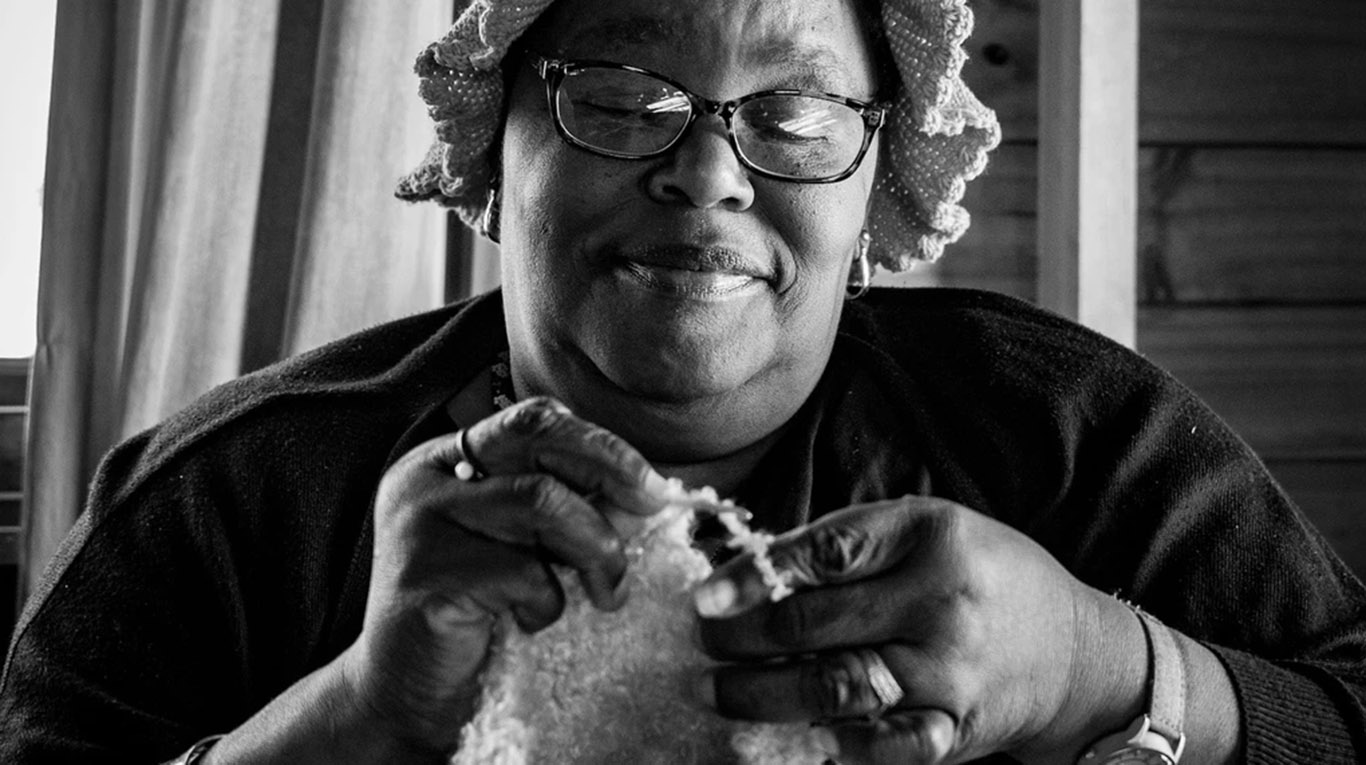
Knitting


Gardening


Beading


Sewing

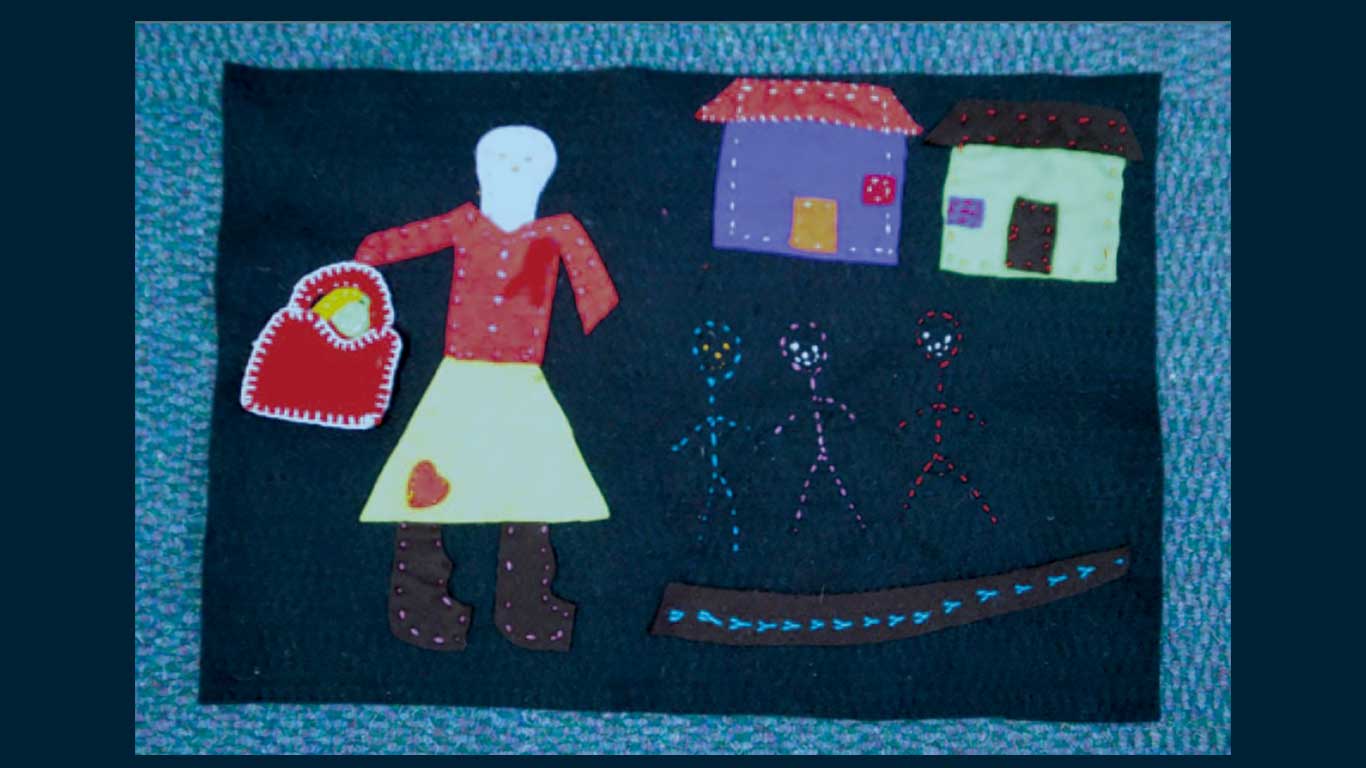
Pictures courtesy of 1st yr OT students from UCT

Daily activities at GAPA

Occupational Therapy Students visit GAPA 2008

University of Cape Town first year Occupational Therapy Students visited GAPA at the end of 2008. They sent their gratitude to the grandmothers for the insights shared.

International Women’s day

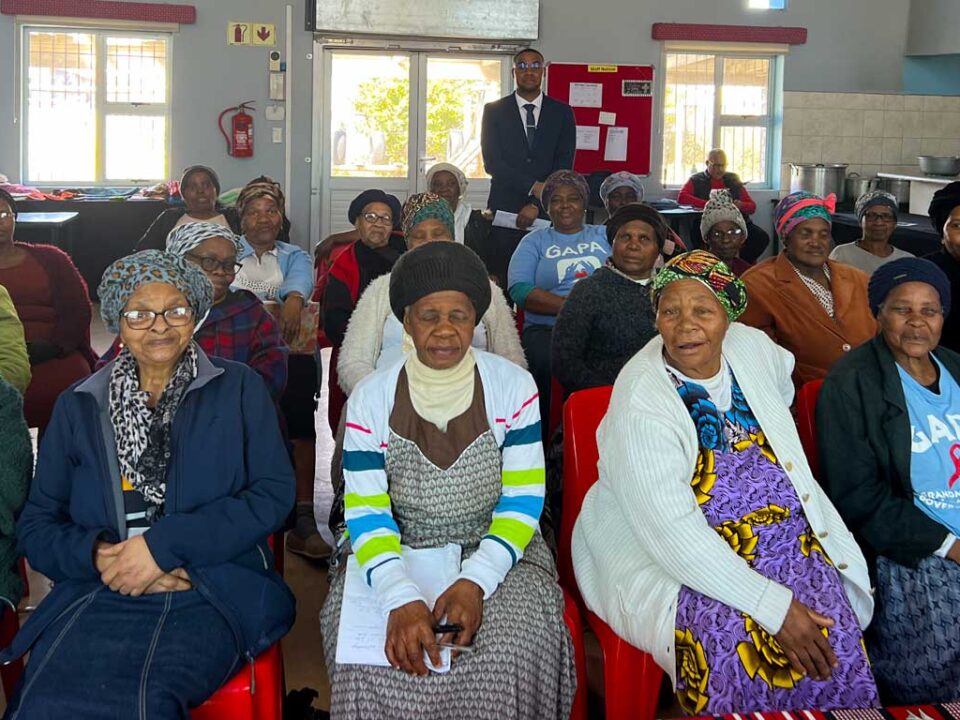
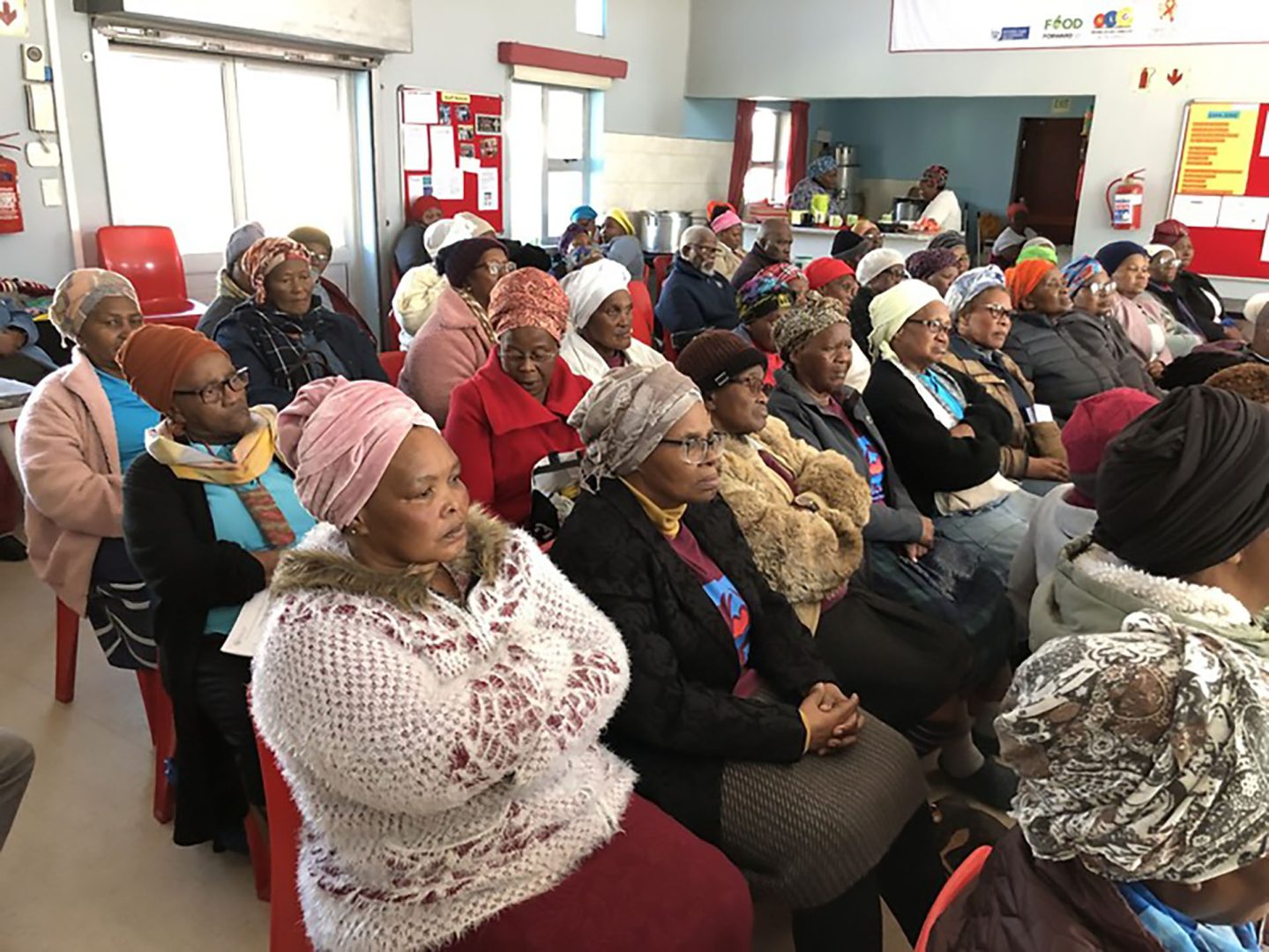
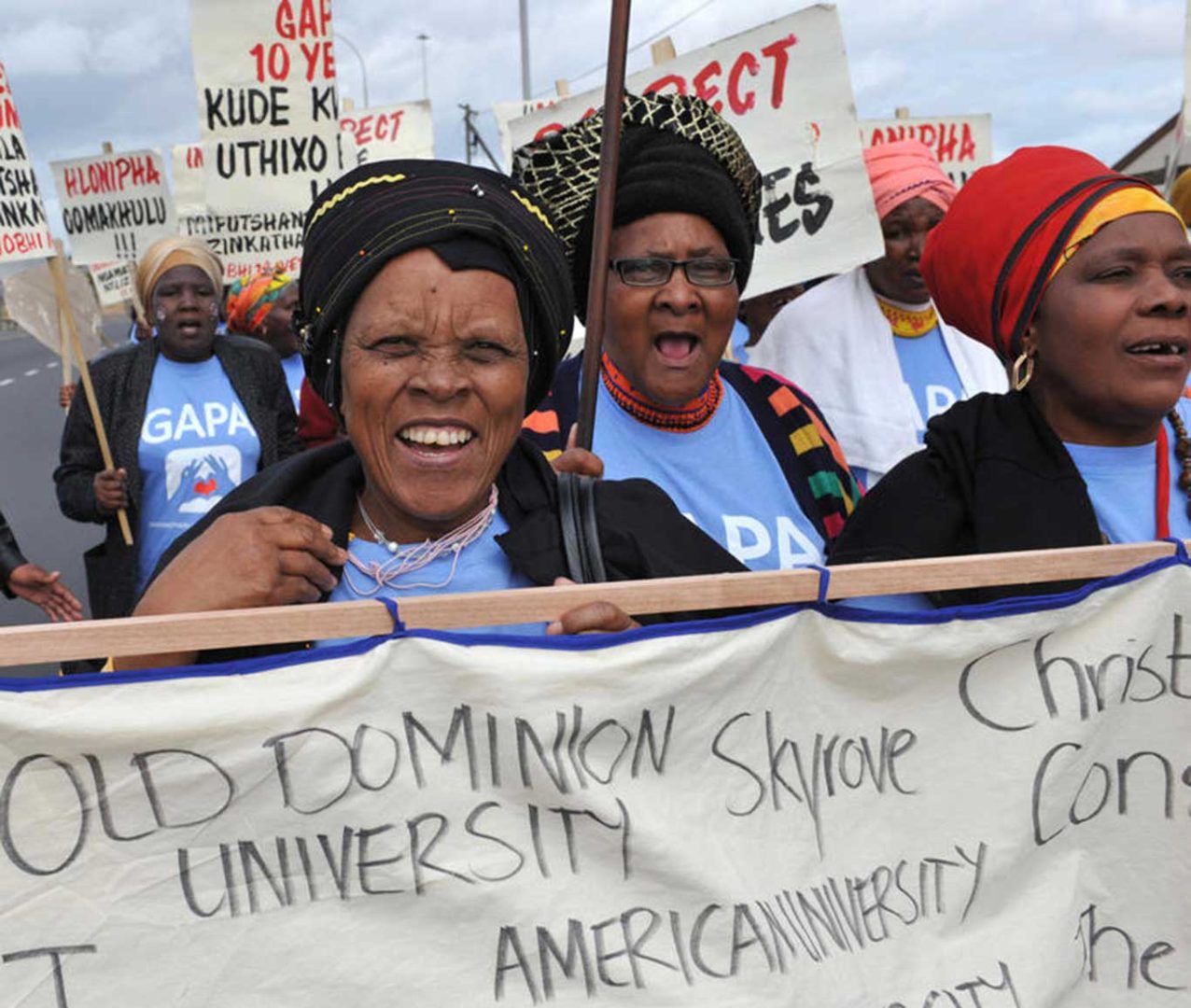
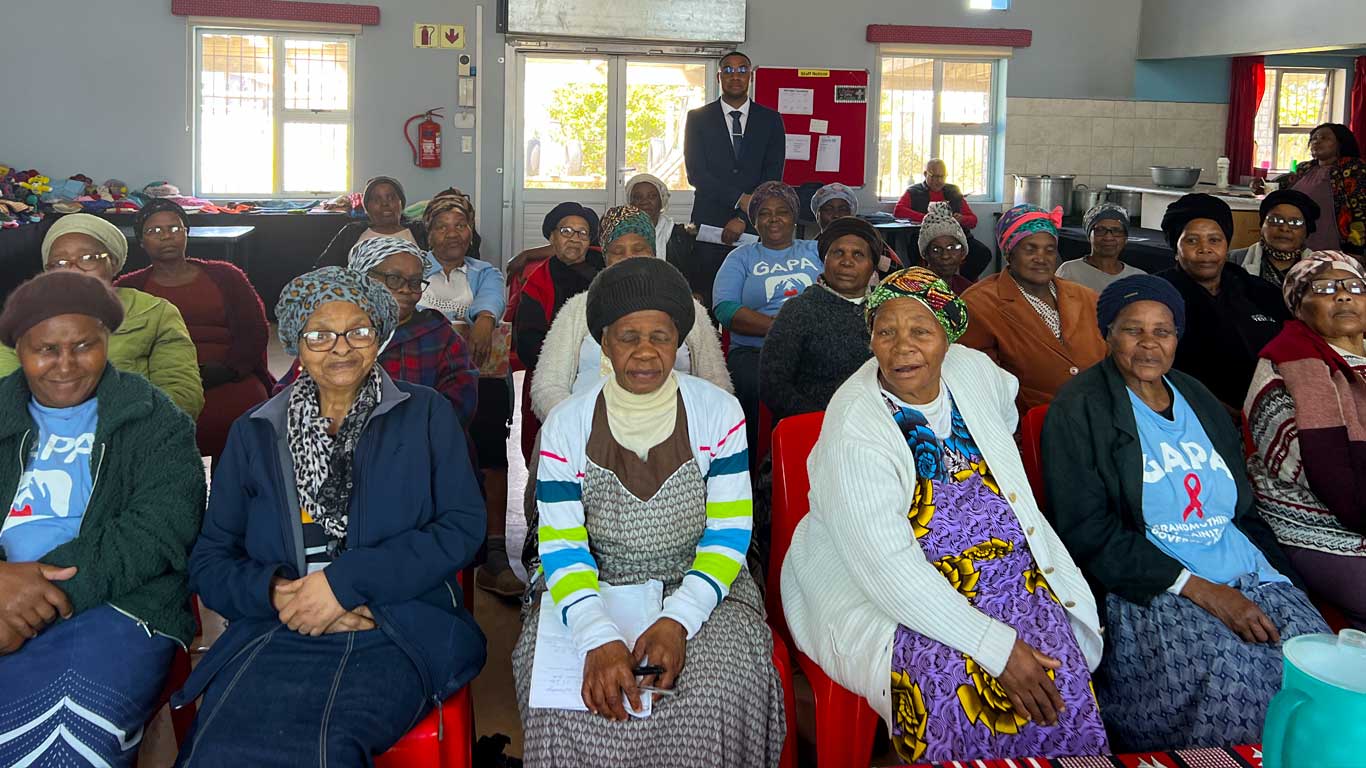
On 10 March we held a special day of remembering how important we are and women. This was held in the GAPA centre with grandmothers who were attending our health club.

The grandmothers identified that women were important because:
  • A home is not a home without a mother
  • Women carry huge responsibility
  • A gathering of women has strength
  • ]Where there are women there is value
  • A mother is the pillar of a household
  • Children without a mother are sometimes not properly raised
  • Women are important, they take charge of a household, even if a man is successful a woman is usually his support
  • A woman is like a hen who seeks food for the chickens, to feed them and protect them from vultures
  • A woman is needed in times of illness and death, she protects people in the house
  • A woman has a huge role in the house, even when a man is present she is the one who makes will come up with a plan
  • women are powerful on their own
  • Women are important because many women’s organisations are fully fledged because of the women present
  • During apartheid women were instrumental in confronting ‘straydom’
  • The value of man is enhanced because of women.
  • Women are powerful because they are adaptable to change. Even without education women learnt about HIV/AIDS and are teaching others
These were important statements for the grandmothers as many of them care for households of orphaned children on their own (without husbands). 
These women have endured the dangers of apartheid, the change from rural to urban lifestyle, poverty and the onslaught of HIV/AIDS.
This was followed by a moment of silence to acknowedge the years in which these women have remained strong. There was so much emotion in the room in which the grandmothers shared their heart-breaking stories of the challenges they face.
We wish to acknowledge the women of GAPA for the pillars of strength they are in the community

Poem by Mrs A Mdaka

Depression is my name
Depression knows my name!
It knows every details
Even my weight down to scale!
It seems to know the route to my
happiness
As it calls me in my sleep
following my dreams as they go 
deep
it feeds off my life support
and because of this, I know my life 
will be short
They don’t understand me. You see
and what we don’t understand we attack
killing everything about it that
sccares you
bit by bit if fades away
Until nothing but sadness and
damned faces are left
All thanks to theft
that came and swept away all
problems
Permanent hybernation and all its
glory
But as the struggle against
depression grows
more than not knowing who is the 
stronger
There is one thing that I can’t stand any
longer
and that is…
In all the fairness and in all the truth
one question remains the same
Oh Great Depression!
How do you know my name?!!!!!!!!

Invite to Media

MEDIA ADVISORY
African and Canadian Grandmothers to Unite in Symbolic
Solidarity Action on March 25 in Select Cities 
—  African grannies raising many of the 11.6 million AIDS orphans — 
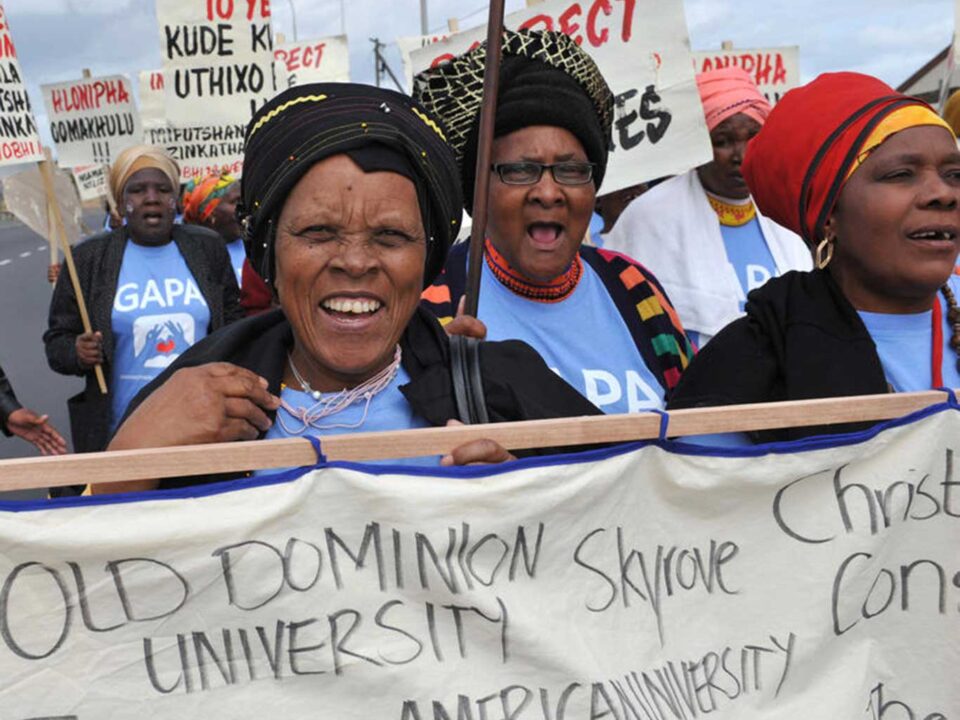
Cape Town, March 19, 2009 – On March 25, hundreds of African and Canadian grandmothers will gather in different cities to perform a symbolic act of solidarity. They will do this to draw attention to the crucial role African grandmothers play in raising many of the 11.6 million children who have lost one or both of their parents to HIV/AIDS. They will also call attention to the need for increased funding for African grassroots organizations that provide critical support to grandmothers and their grandchildren.
In Africa, hundreds of grandmothers will gather in rural areas in Botswana, Ethiopia, Kenya, Lesotho, Malawi, Mozambique, Namibia, Rwanda, Uganda, South Africa, Tanzania, Zambia Zimbabwe and Swaziland. In Canada, grandmothers and their families, friends and grandchildren will gather in public spaces in the following cities: Ottawa, Vancouver, Toronto, Whitehorse, Hamilton, Orillia, Alliston and Halifax. 
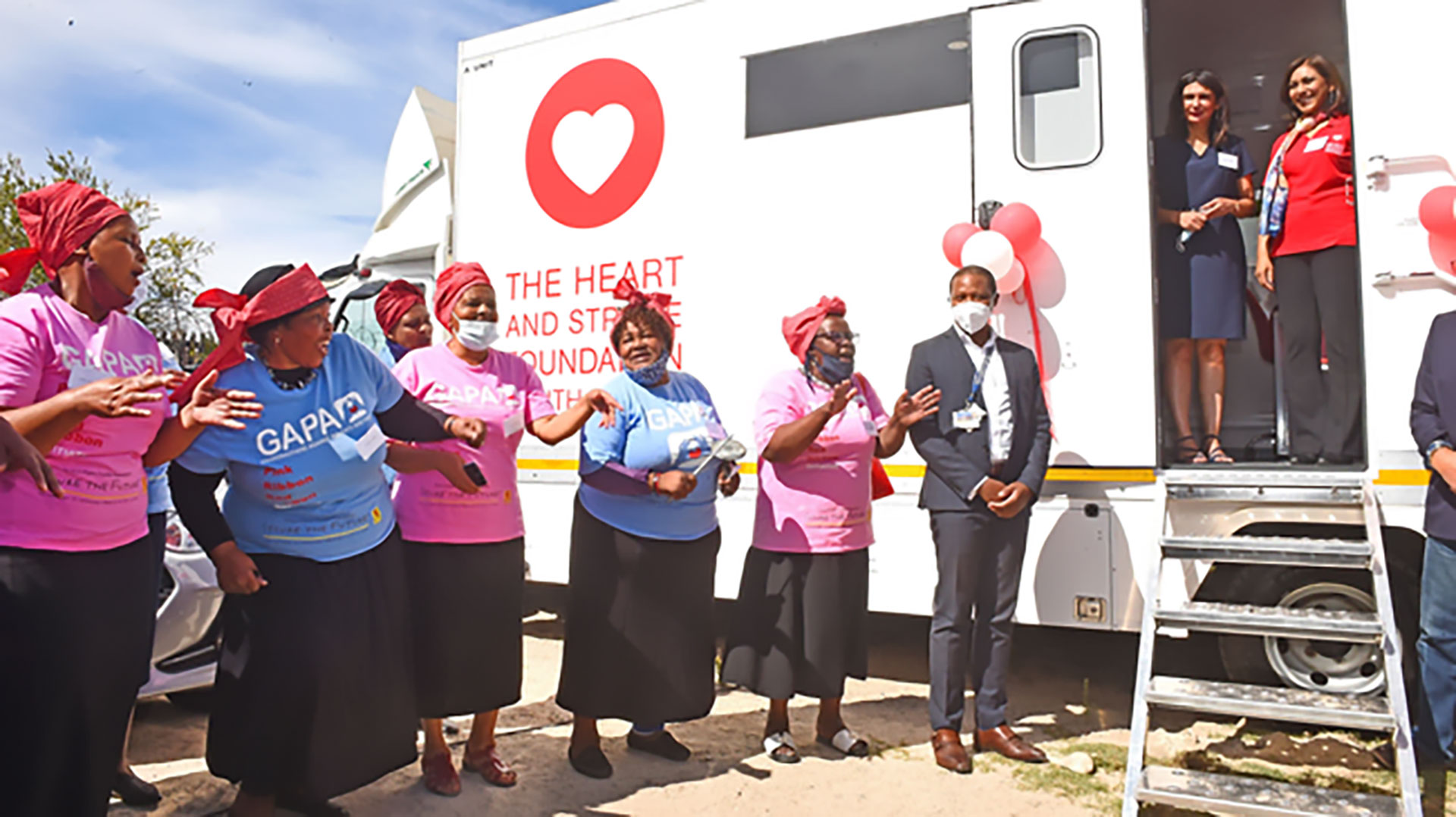
In each location half of those in attendance will sit or lie down to represent the unprecedented suffering and loss caused by the AIDS pandemic for millions of African families and communities. After a short time, the rest of the group will begin to sing, dance and take the hands of those on the ground to pull them out of their individual suffering and offer them strength. The group will then form a circle while singing and dancing to show the power of communities to turn the tide of the AIDS pandemic. 
 
WHO: GAPA – Grandmothers Against Poverty and AIDS www.gapa.org.za
  
WHEN: 11h00
  
WHERE: GAPA centre, J415 Qabaka Cresent, Khayelitsha
Directions to GAPA
Take the N2 out of Cape Town towards Somerset West. After Mew Rd look for the next exit. This is exit No 29 (Spine Road). Take this exit off the highway.Turn right over the highway towards Khayelitsha. Proceed round the small circle to the first intersection. This is Lansdown Rd. Turn right and then 400 m along turn left at Lawulo Rd. The back of the GAPA centre will now be visible. Turn first left and then left again into Qabaka Cres to access the main gate of the GAPA centre.
  
WHY: This solidarity action was inspired by grandmothers across Africa who use song and dance to overcome their grief and build solidarity. Canadian grandmothers have raised more than $4 million for African grandmothers and the children in their care through the Stephen Lewis Foundation (www.stephenlewisfoundation.org). 
GAPA is funded by the Stephen Lewis Foundation in Canada. 
GAPA is a voluntary organization that implements programmes to support grandmothers affected by HIV/AIDS in urban and rural communities to continue with their lives and to cope better as providers of care and support for their infected children.
Programmes include:
support groups and cooperatives
educational workshops
Aftercare facilties
Pre-school bursary schemes
  
Note to Journalists: The solidarity action will begin at 11h00 a.m. sharp. Media should arrive early to set up for photos.
 
Media Contact:   Vivienne Budaza. Tel: 021 364 3138. nolulu@telkomsa.net

Keeping track of our compliments

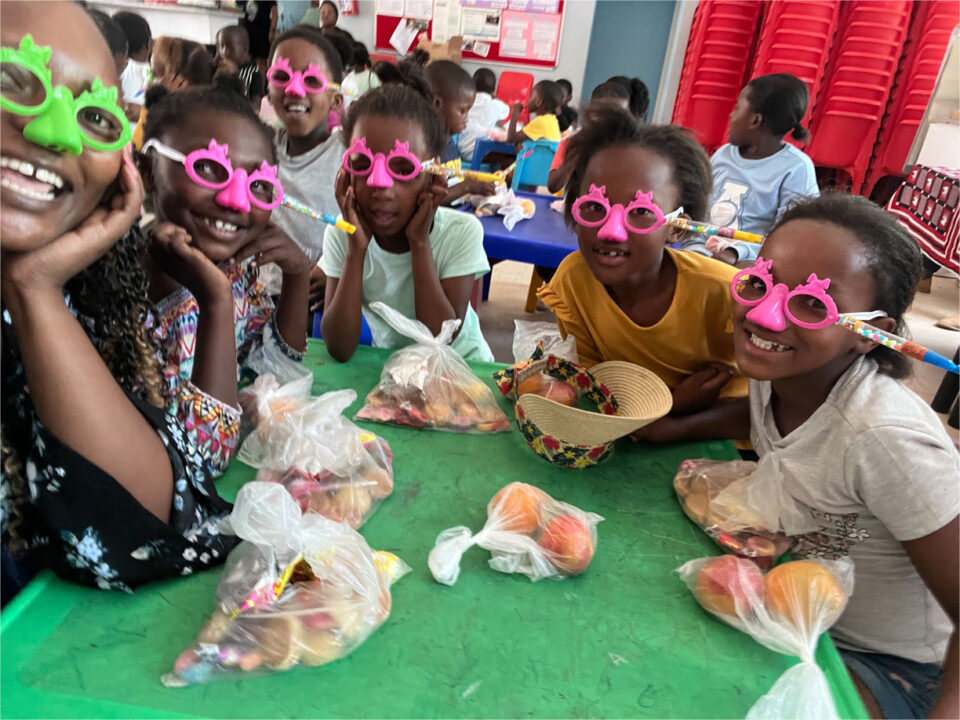
The aftercare is becoming more and more loved by children.

Just last week one father came to tell us that: ” Last year his child was in a different aftercare and didn’t like going but this year now that he is in GAPA aftercare his child is loving aftercare”
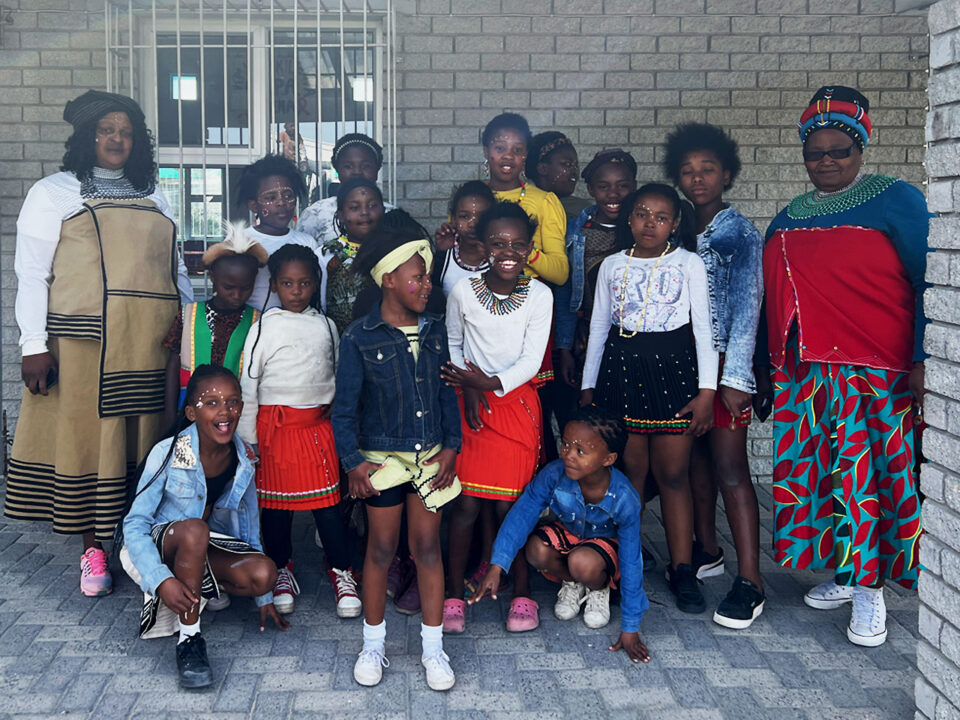
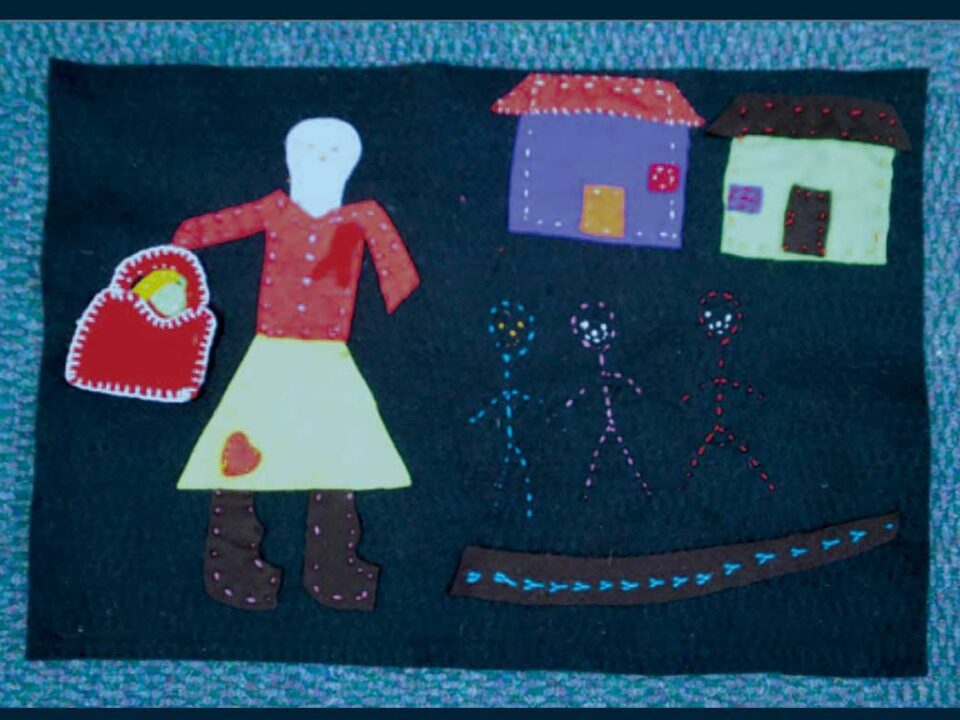
Children love the ‘Makhulu’ – Grandmothers and often draw them pictures to tell them this.
This is just evidence that we are growing from strength to strength.

American International Health Alliance Volunteer Memoir


February 27, 2009
By: Aliza Waxman

I was sent over from the USA by the American International Health Alliances HIV/AIDS Twinning Center as an Organizational Development Specialist. I have been volunteering at GAPA for the month of February working to strengthen the capacity of GAPA via the use of internal resources. Below is a copy of an email that I wrote to my family back in American during my first week with GAPA.

I started work on Monday at GAPA, Grandmothers Against AIDS and
Poverty. GAPA was started as an initiative to support grandmothers who have been affected by the HIV/AIDS pandemic. When I met the grannies, they introduced themselves to me by their individual Clan names, which is a more respectful way to address ones elders.

The organization is located in the J section of Khayelitcha, one of the
most famous townships in South Africa. Khayelitsha is unbelievable. It is filled with formal and informal settlements. The informal settlements are compact with small metal shacks that are shoved together in very dirty and densely packed areas. Many homes have no running water and most homes do not have toilets. Recently, the government set up port-potties in the informal areas, three-homes/ toilet. Up until recently, it was 10-homes/ toilet. There is an estimated one million people living here in dire conditions. There is trash scattered all over the place. I drove by a dump yesterday where a cow was munching on garbage. I could go on for hours about how the people of Khayelitsha are neglected, but I would rather speak about the beauty of the place. As I said in my last email, alot of the corruption, crime and danger that permeates through township life is the direct result of the breakdown of the community structure.

What is incredible about these grandmothers is the traditions that they are trying to uphold, to bring the broken youth back to life. These women are so strong, such powerhouses. If you could only hear their stories, you would be utterly amazed. These Gogo’s have been to hell and back but they pray to God throughout the day, with smiles on their faces, thanking him for the strength he has given them to survive and attempt to uphold a broken society. And I mean it when I say, these women are genuinely some of the happiest and most positive women I have ever met, they actually remind me of my grandmother. I heard a story of how a young man came to the grandmothers begging them for help and confessing to them all the crime he had committed and horrible things he had done, but that he was desperate and hungry, and the grannies were all crying and took him into their arms, even though they personally suffer as a direct result of the “tsosti’s”, thieves that live in this society.

Even though I am in a statistically dangerous place, I am so protected by these women, who know the streets and are so respected, no one will mess with them. They sing the most beautiful prayers every morning and cook us the most delicious local African lunch. They warn me that I will get very fat from their food as it is mostly comprised of white
carbohydrates, but I am so grateful for the good food, which is such an important part of their culture. This organization is so incredible. These women are so organized, driven, powerful and for one simple reason, the programs are entirely community driven. GAPA is driven by the grandmothers for the grandmothers, who are trying to create a truly sustainable livelihood for themselves. I am in love with the grannies and I refuse to see this organization lose funding.
The grandmothers started an after school care program for the vulnerable children in the community who have been orphaned by AIDS and have no one to look after them after school, where they have been the victims of many horrific forms of abuse. The grannies teach them traditional stories and music, strengthening the Xhosa culture, which advocates for peace, love, family, strength, standing together as a family and community, and caring for one another regardless. I learned a beautiful African phrase. “Inimba” it is XHOSA word which represents the love a parent must have for a child regardless of how sick they are, how troubled, disabled etc. This tradition has clearly upheld in
a society where people dedicate their lives to caring for their children who have been sick with aids.

These grannies have no husbands to support them. Many of them lost their husbands back in the homeland, in the eastern cape/ Transkei , when their husbands migrated to the cities in search for work, they never came back. They have been responsible to care for their children with no help or money. Many of these women lost their children to AIDS
and now care for their grandchildren that are dying of AIDS. They are entirely on their own and this organization was started so that these grannies could look after one another.

These women have shown me that strength can be sought out in any situation and I feel their strength emanating through me, it’s an incredible feeling. Their positive attitudes makes working with them so inspiring. I also have never had the experience of working with all women, it’s really amazing. The environment is so feminine, so strong. Yet not in
the modern feminist way. These women all cover their hair and where long skirts, but they are some of the strongest women I’ve ever met, both mentally and physically. They could bring anything to life, because they are filled with so much of it. I feel the presence of God amongst these women.

I am filled with so much love

Aliza Waxman